English
 日本語
日本語 français
 Deutsch
 Español
 italiano
 русский
 português
 العربية
 Türkçe
 Nederland


Hair styling products require carefully balanced formulations to achieve reliable hold, smooth application, and long-lasting performance. Among different polymer ingredients, PVP is widely used in hair care formulations because of its excellent film-forming ability, compatibility, and contribution to styling performance.
When developing hair sprays, gels, and mousses, cosmetic manufacturers often compare different PVP grades to achieve the desired balance between viscosity, flexibility, and holding strength. PVP K60 and PVP K90 are two commonly considered grades with different molecular weight characteristics and formulation behaviors.
This guide explains why PVP is used in hair styling products, the differences between PVP K60 and K90, and how manufacturers can select the appropriate grade based on product requirements and formulation goals.
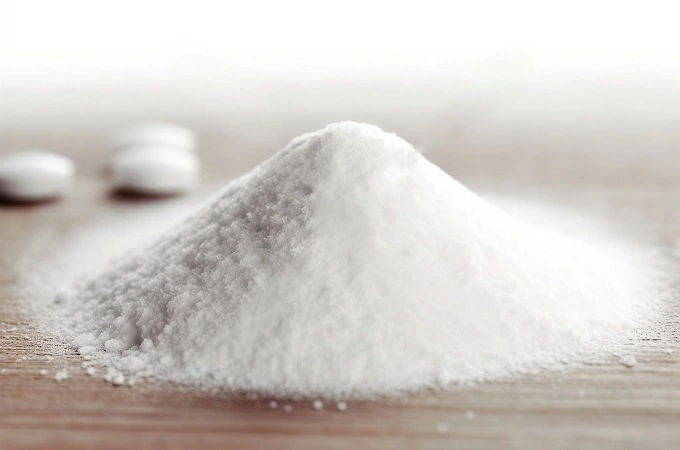
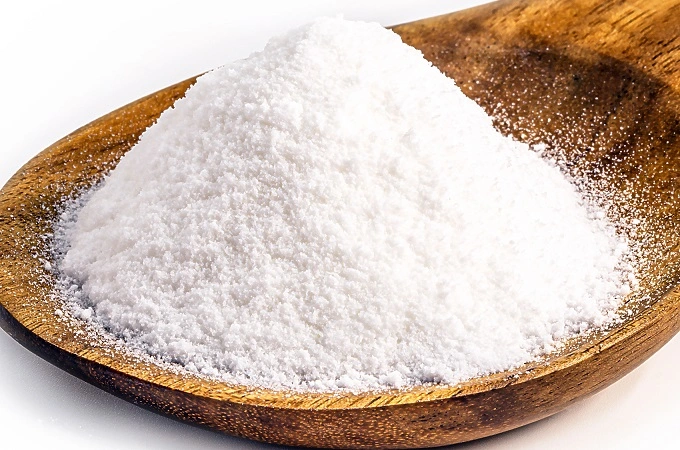
PVP (Polyvinylpyrrolidone) is a functional polymer commonly used in cosmetic formulations due to its excellent film-forming properties and compatibility with various ingredients. In hair styling products, PVP helps create a polymer film on the hair surface, providing hold and shaping effects.
The main benefits of PVP in hair styling formulations include:
Effective film formation for styling control
Good adhesion to hair fibers
Compatibility with water-based formulations
Clear and transparent film appearance
Adjustable viscosity and formulation flexibility
Different grades of polyvinylpyrrolidone provide different molecular weight and viscosity characteristics, allowing formulators to select suitable options for different styling product requirements.
The K value of PVP represents its molecular weight characteristics and is an important factor affecting viscosity, film properties, and application performance. PVP K60 and PVP K90 have different performance profiles, making them suitable for different formulation objectives.
| Performance Factor | PVP K60 | PVP K90 |
|---|---|---|
| Molecular Weight | Medium-high molecular weight | Higher molecular weight |
| Viscosity Contribution | Balanced viscosity | Higher viscosity effect |
| Film Formation | Good film formation with flexibility | Stronger film-forming capability |
| Styling Hold | Suitable for balanced hold performance | Suitable for stronger hold requirements |
PVP K90 is often selected when stronger film strength and higher viscosity are required, while PVP K60 may provide a better balance between styling performance, flexibility, and processing characteristics.
The suitable choice depends on the complete formulation system rather than the K value alone.
For hair styling products, the performance of a polymer ingredient is evaluated not only by holding strength but also by how it affects application experience and product stability.
Film formation is one of the most important functions of PVP in styling formulations. A well-designed polymer film helps maintain hairstyle shape while providing a smooth appearance after application.
Higher molecular weight grades such as PVP K90 can provide stronger film-forming effects, while lower grades may offer greater flexibility depending on the formulation design.
Viscosity influences product texture, processing, and user application. Hair gels may require higher viscosity, while sprays and mousses often require different flow characteristics.
Selecting the appropriate PVP grade helps manufacturers achieve the desired balance between product stability and application performance.
Different styling products require different levels of hold. Some formulations need strong fixation, while others require flexible styling effects that allow natural movement.
By adjusting PVP grade selection and formulation design, manufacturers can develop products with different styling characteristics.
The best PVP grade depends on the final product type, target performance, and manufacturing requirements. Cosmetic manufacturers should evaluate the expected hold level, texture, viscosity, and application method before selecting a grade.
Hair sprays typically require good film formation, fast drying behavior, and a balance between hold and flexibility. A suitable PVP grade should provide styling support without negatively affecting spray performance.
Hair gels often require stronger viscosity and longer-lasting hold. Higher viscosity PVP grades may be considered when stronger structure and film performance are needed.
Mousse formulations usually require lightweight texture and smooth application. A balanced PVP grade can help provide styling performance while maintaining the desired product feel.
Formulators should evaluate the complete ingredient system when selecting a PVP grade, including other polymers, solvents, and active ingredients used in the final product.
For cosmetic manufacturers, selecting the right PVP ingredient is not only about choosing a specific grade. Consistent quality, reliable supply, and technical support are also important factors for successful product development.
Important considerations when sourcing PVP for hair styling formulations include:
Stable viscosity performance between batches
Consistent molecular weight characteristics
Compatibility with cosmetic formulations
Reliable quality control procedures
Technical support during formulation development
Working with an experienced supplier of PVP K allows cosmetic manufacturers to evaluate different grades and develop formulations according to specific styling requirements.
Sunflower Polymer provides PVP K series solutions for various industrial and cosmetic applications, supporting customers with consistent quality and formulation-oriented ingredient supply.
The main difference is their molecular weight and viscosity characteristics. PVP K90 generally provides stronger viscosity and film-forming effects, while PVP K60 offers a more balanced performance profile.
Higher molecular weight grades such as PVP K90 may provide stronger film formation and hold performance, but the final result depends on the complete formulation system.
Yes. PVP K90 can be considered for hair gel formulations where stronger viscosity and film-forming performance are desired.
The K value influences molecular weight, viscosity, and film characteristics, which can affect styling hold, texture, and formulation performance.
Manufacturers should consider product type, required hold level, viscosity, film properties, and compatibility with other ingredients before selecting a suitable PVP grade.