English
 日本語
日本語 français
 Deutsch
 Español
 italiano
 русский
 português
 العربية
 Türkçe
 Nederland


When formulating high-performance products in the pharmaceutical, cosmetic, or industrial sectors, selecting the right polymer excipient is critical. Among the many grades of polyvinylpyrrolidone (PVP), PVP K60 stands out for its unique balance of molecular weight, viscosity, and binding strength. Whether you are a procurement specialist sourcing sunflower pvp or a formulation chemist evaluating pvp povidone grades for a new drug delivery system, understanding the technical nuances of PVP K60 will help you make an informed decision.
This guide explores what PVP K60 is, its molecular weight characteristics, and why it has become a trusted ingredient across multiple industries.
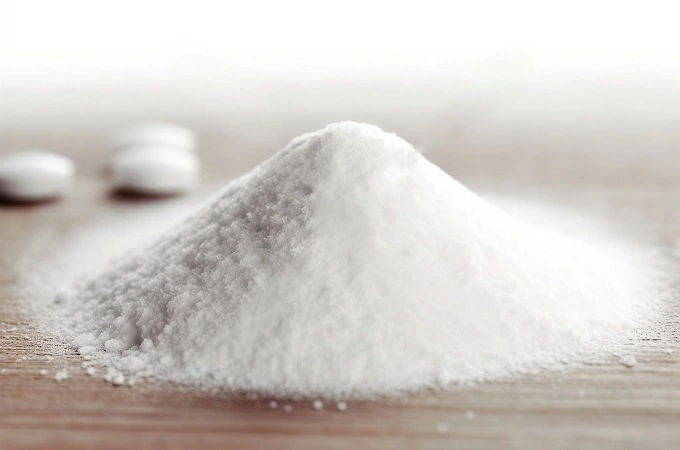
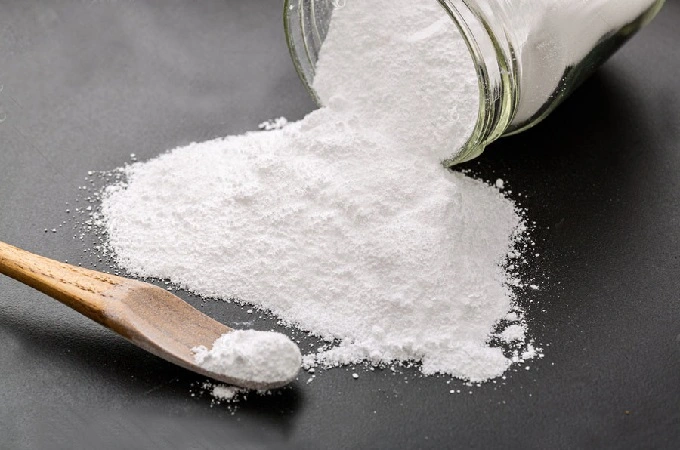
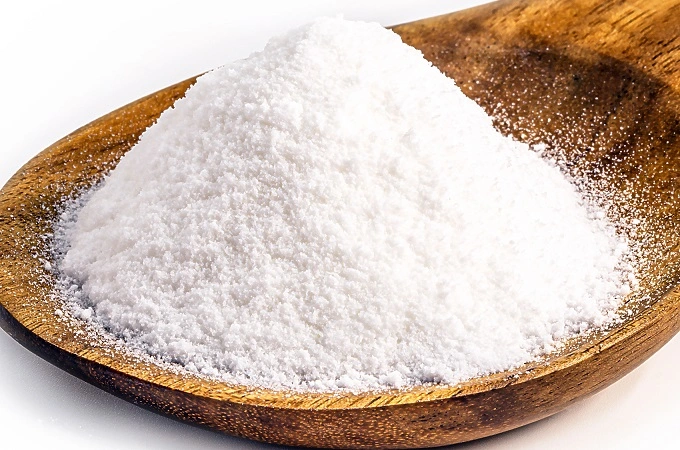
PVP K60, also known as pvp povidone K60 or polyvinylpyrrolidone K60, is a synthetic, water-soluble polymer belonging to the polyvinylpyrrolidone (PVP) family. With the CAS number 9003-39-8 and the molecular formula (C₆H₉NO)ₙ, this white to yellowish-white, hygroscopic powder or flake material offers a unique combination of solubility, biocompatibility, and film-forming ability. The "K60" designation refers to its K-value, a viscosity-based classification that indicates the polymer's average molecular weight range. PVP K60 typically exhibits a K-value between 54.0 and 64.8, placing it in the medium-to-high molecular weight segment of the PVP series.
Appearance: White or yellowish-white, hygroscopic powder or flakes
Solubility: Freely soluble in water, ethanol (96%), and methanol; very slightly soluble in acetone
These characteristics make PVP K60 an excellent choice for applications requiring strong binding, viscosity enhancement, and stable film formation.
The PVP series includes multiple K-value grades — from K12 to K120 — each tailored for specific formulation needs. Lower K-values (e.g., K17, K25, K30) offer lower viscosity and are often used as solubilizers or disintegrants in tablet formulations. Higher K-values (e.g., K90, K120) provide extremely high viscosity and are preferred as thickening agents or sustained-release matrix formers.
PVP K60 occupies the sweet spot: it delivers sufficient molecular weight to provide robust binding and film-forming properties without the excessive viscosity that can complicate high-solids formulations. This balance explains why PVP K60 is widely adopted in both pharmaceutical and cosmetic applications.
Among the most frequently asked technical questions about this polymer is: What is the PVP K60 molecular weight? Unlike small-molecule active pharmaceutical ingredients (APIs) with a fixed molecular formula, PVP K60 is a polymer, meaning its molecular weight is expressed as an average value over a distribution of chain lengths.
The reported molecular weight of PVP K60 varies depending on the manufacturing process and measurement method, but authoritative sources consistently place it within the following ranges:
~220,000 g/mol (approximately 220 kDa) — commonly cited in commercial specifications
216,000 g/mol — as reported in peer-reviewed literature (PMC)
270,000–400,000 g/mol — a broader range provided by some technical data sheets
~360,000 g/mol — as specified by Merck Group for their PVP K60 product
These variations are normal for polymeric materials and arise from differences in polymerization conditions, analytical methods, and batch-to-batch consistency. For most practical formulation purposes, the effective molecular weight of PVP K60 can be considered to fall between 220,000 and 360,000 g/mol, with corresponding solution viscosity of approximately 15.5–21.3 mPa·s.
The molecular weight of PVP K60 directly influences its performance in finished products:
Higher molecular weight (closer to 360,000 g/mol) enhances binding strength, film durability, and viscosity-building capacity. This makes it ideal for tablet binding in pharmaceuticals and for long-lasting hold in hair styling products.
Moderate molecular weight (around 220,000 g/mol) maintains good adhesion while allowing easier processing and faster dissolution. This balanced profile is why PVP K60 is favored for spray-dried dispersions and co-precipitation of poorly soluble drugs.
As a leading supplier of high-quality polymers, Sunflower offers PVP K60 powder that consistently meets pharmaceutical-grade specifications, ensuring reliable performance across batches.
In pharmaceutical manufacturing, pvp povidone K60 serves multiple critical functions. Its excellent binding properties make it a preferred tablet binder, ensuring uniform tablet hardness and minimal friability. Additionally, PVP K60 functions as a:
Dissolution assistant for injectable formulations
Flow assistant for capsule filling
Dispersant for liquid medicines and pigments
Stabilizer for enzymes and heat-sensitive drugs
Co-precipitant for poorly soluble drugs, enhancing bioavailability
Lubricant and detoxifying assistant for ophthalmic preparations
The polymer's ability to promote amorphous dispersion and inhibit drug crystallization is particularly valuable for solubility enhancement in modern solid dispersion technologies. Furthermore, the excellent physiological inertness and biocompatibility of PVP polymers — including PVP K60 — have made them trusted excipients in the pharmaceutical industry for decades.
In the cosmetics industry, PVP K60 is widely recognized for its film-forming and viscosity-enhancing properties. It is commonly formulated into:
Hair sprays and mousses — provides flexible, humidity-resistant hold without flaking
Gels and lotions — improves texture, spreadability, and moisturization
Skin care products — functions as a non-irritant, non-toxic, and odorless film former with water absorption and moisturizing properties
Cleansers and hair dyes — enhances the appearance of skin and hair while improving product stability
The polymer's compatibility with nearly all anionic, cationic, and non-ionic cosmetic polymers ensures broad formulation flexibility, allowing formulators to create stable, high-performance products without compatibility concerns.
Beyond pharmaceuticals and cosmetics, PVP K60 finds use in industrial applications such as adhesives, where its high polarity, dispersancy, hydrophilicity, adhesion, and cohesivity make it an excellent performance additive. It can be plasticized with water and most common organic plasticizers, enabling versatile formulation options.
When sourcing pvp povidone K60 for critical pharmaceutical or cosmetic applications, supplier reliability and product consistency are paramount. Sunflower has established itself as a trusted manufacturer and supplier of high-quality PVP polymers, including PVP K60 powder, PVP K120, PVP K25, and other K-value grades.
Sunflower’s PVP K60 powder meets rigorous quality specifications, including:
K-value: 54.0–64.8
pH: 3.0–7.0
Aldehydes: NMT 0.05%
Hydrazine: NMT 1.0 ppm
Water content: NMT 5.0%
Sulfated ash: NMT 0.1%
By choosing sunflower pvp, you benefit from a supply chain that prioritizes product purity, batch-to-batch consistency, and regulatory compliance. Whether you require PVP K60 powder for tablet binding, hair spray formulation, or industrial adhesive production, Sunflower delivers the performance you need.
PVP K30 has a lower K-value (27.0–32.4) and lower molecular weight (approximately 40,000–80,000 g/mol), making it suitable for solubilization and disintegration applications. PVP K60 has a higher K-value (54.0–64.8) and molecular weight (~220,000–360,000 g/mol), providing stronger binding, higher viscosity, and more durable film formation.
Yes. PVP K60 (povidone K60) is a well-established pharmaceutical excipient with excellent safety profile and biocompatibility. It is widely used in oral, topical, and injectable formulations.
Absolutely. PVP K60 is compatible with a broad range of anionic, cationic, and non-ionic polymers, resins, and electrolytes, offering excellent formulation flexibility.
PVP K60 is hygroscopic and should be stored in a cool, dry place in tightly sealed containers to prevent moisture absorption and maintain product quality.
You can source premium PVP K60 powder directly from Sunflower, a trusted manufacturer and supplier with proven quality and consistency. Visit the product page for detailed specifications and ordering information.
PVP K60 is a versatile, medium-to-high molecular weight polyvinylpyrrolidone that delivers reliable performance across pharmaceutical, cosmetic, and industrial applications. Its unique combination of solubility, binding strength, film-forming ability, and biocompatibility makes it an indispensable excipient for formulators worldwide. Understanding the pvp k60 molecular weight range — typically 220,000 to 360,000 g/mol — helps formulators select the right grade for their specific viscosity and binding requirements.
For consistent, high-quality pvp povidone K60, trust Sunflower to meet your raw material needs. Explore the full product specifications and request a sample today.